By Miles Sellyn, VP of Strategy
Quick recap for anyone who skipped last Thursday (rude, but fine): Koala had a beta full of creators who loved it on event days and disappeared in between. The idea was validated, but the product didn't have a reason to exist on a Tuesday.
Which leads to the obvious next question. Okay, so what should it be?
And this is where Koala got tricky, because the answer was "lots of things."
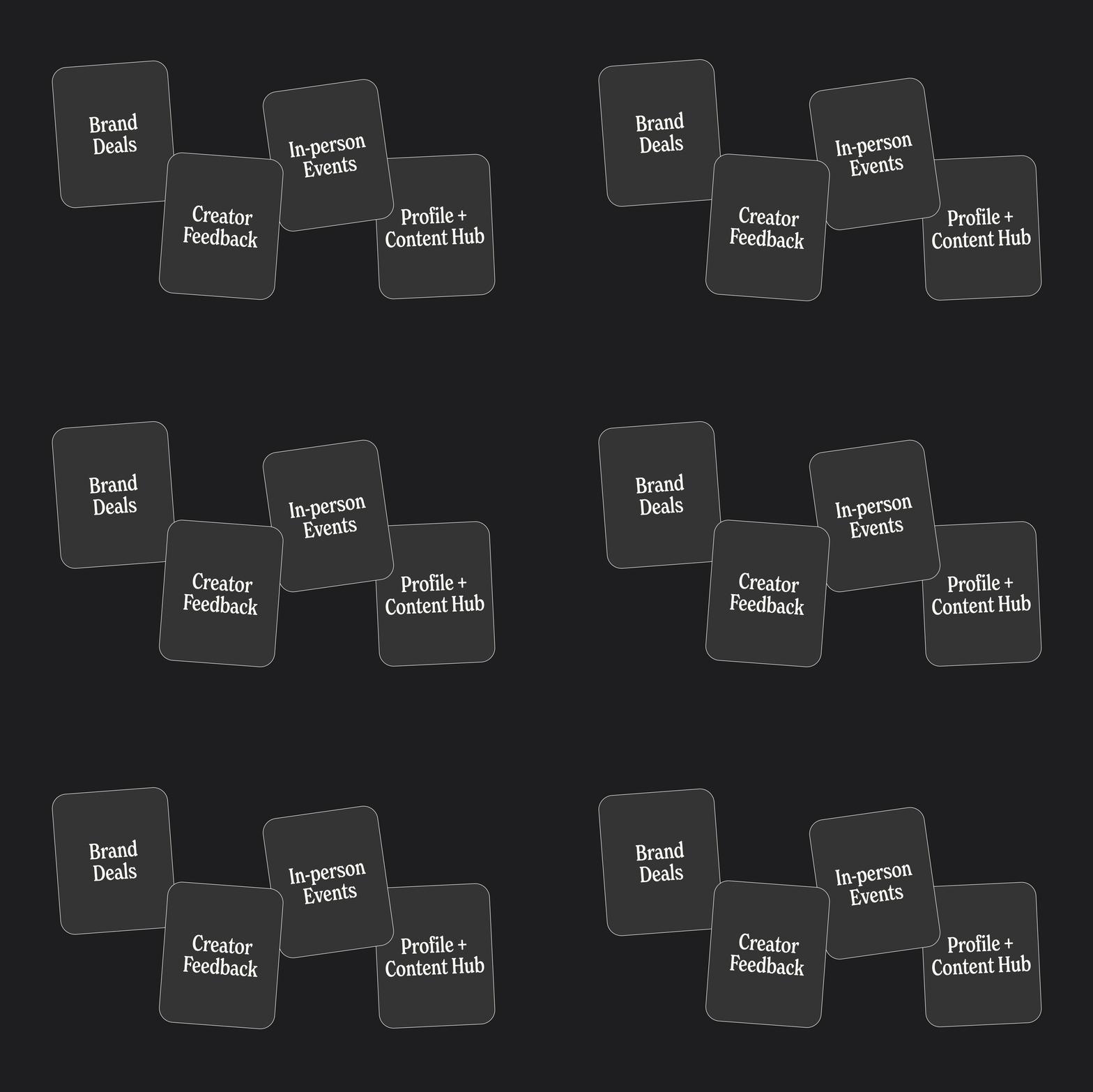
Koala could have leaned into brand partnerships. It could have been a feedback community where creators post work in progress. It could have doubled down on in person events, which were already working. It could have been a profile tool that pulls all your platforms into one place. Every one of those is a real product with real users who would want it.
What you’ll find below:
- The three usual ways teams pick an MVP (and what each one costs)
- Why we designed every version on purpose
- What got kept, what got cut, and the guardrail that decided it
- How to carve your own V1
Three ways to pick a V1
When a product could be four things, teams tend to pick an MVP in one of three ways.
Option A is the smallest thing engineering can ship. Very responsible. Very easy to schedule. The risk is that "smallest" becomes the strategy, and you ship something too thin to tell you anything. When nobody uses it, you can't tell if the idea was wrong or the product just wasn't enough of anything.
Option B is the loudest request. We covered this in the beehiiv series, so I won't relitigate it here: the suggestion box is not a roadmap. It also happens to be the cheapest way to build a product that matches your most vocal users and nobody else.
Option C is arguing about it in a room until someone wins. This is the most common one, and it doesn't really feel like a method because it isn't one. The person with the best slides (or the most seniority) picks the V1, and everyone else quietly maintains their own version of the product in their head for the next year.
All three have the same flaw. You are guessing the shape of the product before anyone who will use it has seen any of the shapes.
Option D: design the whole thing, then cut
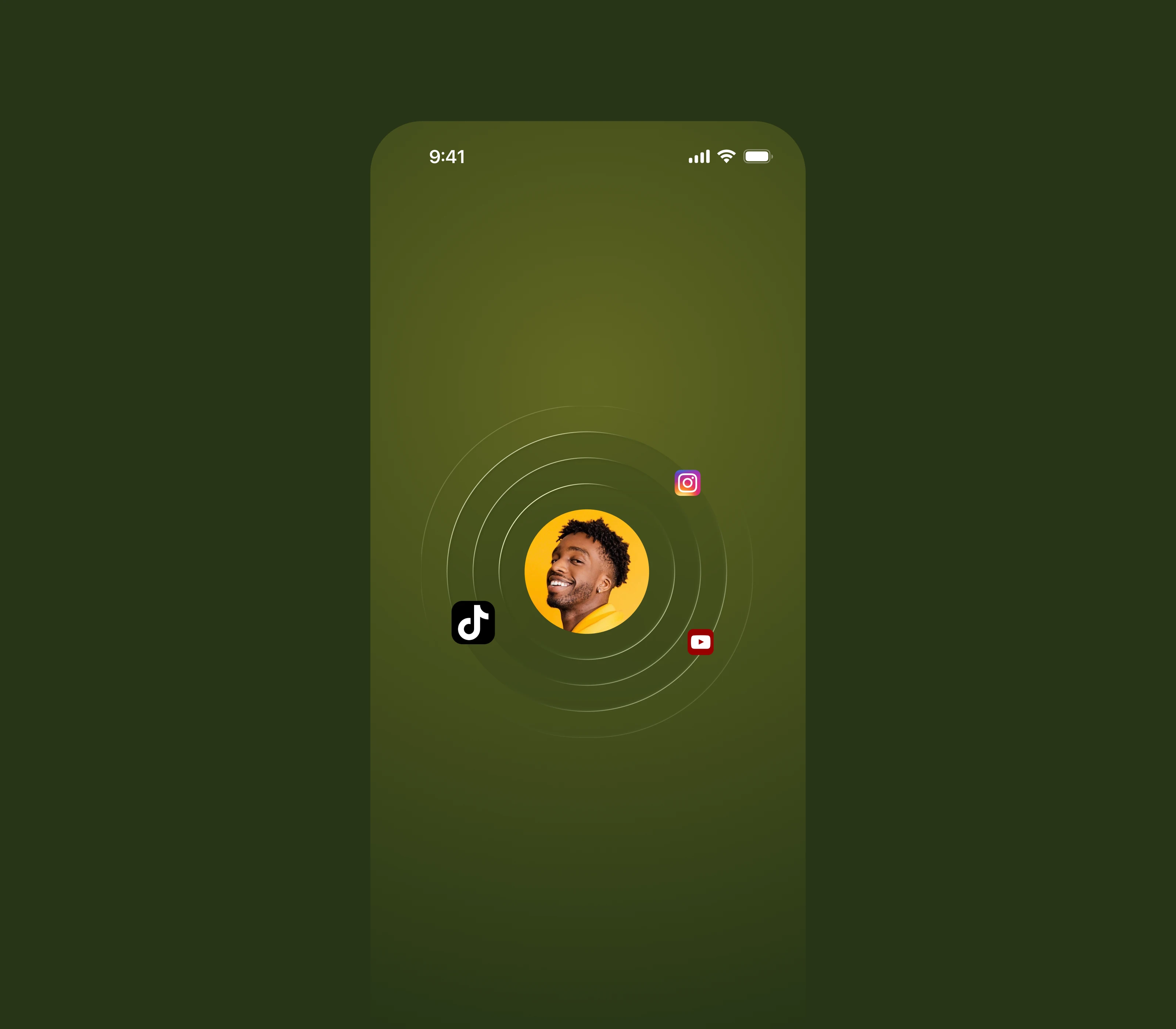
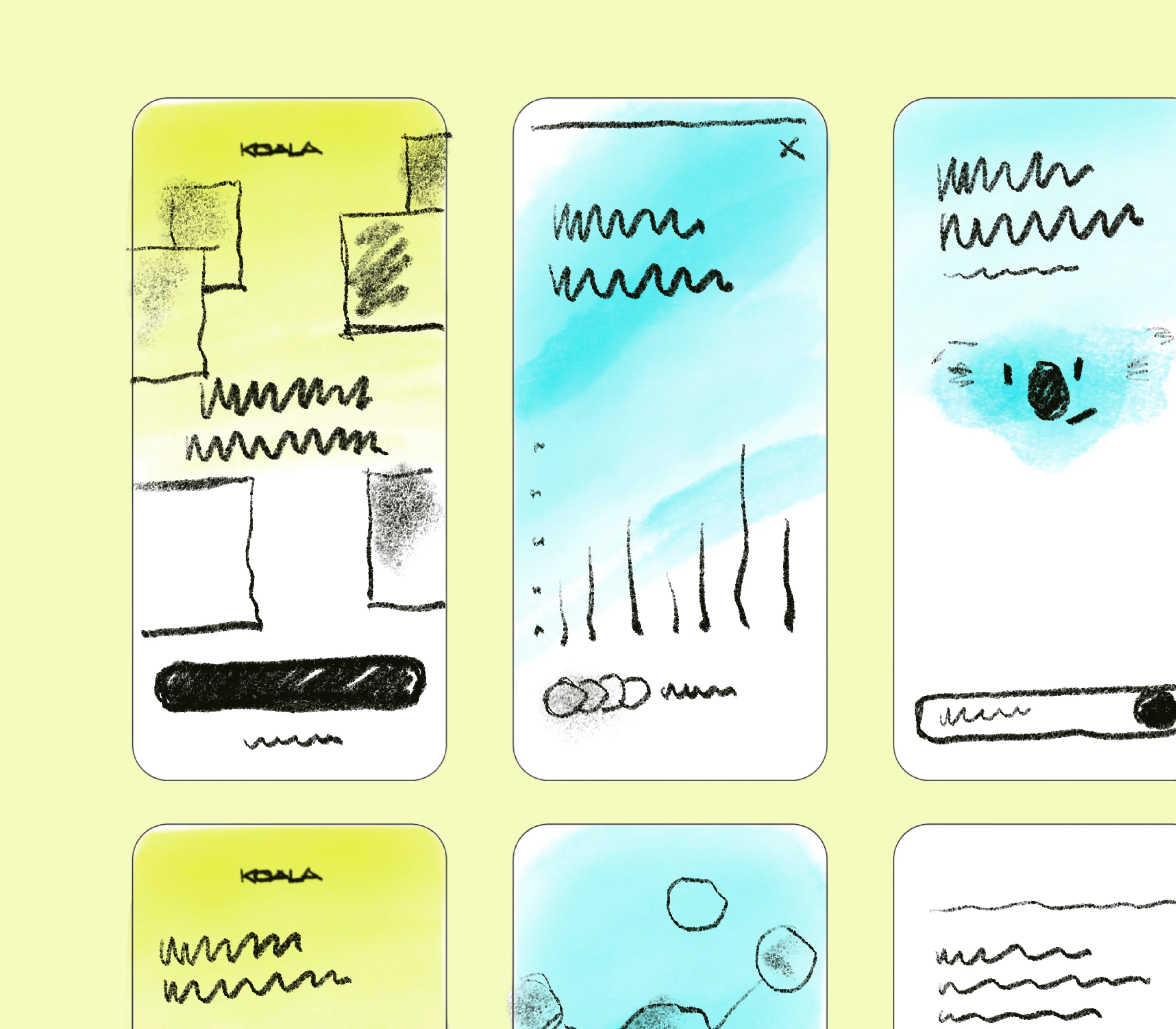
What we did with Koala was a bit counterintuitive. We designed a version where all of it existed. A community feed where creators could post work and celebrate each other's wins. Automatic syncing of their social accounts, so content they'd already made flowed in without extra effort, ready for peers to discuss. A discovery layer for finding creators doing similar work. A brand layer where companies could eventually connect with creators directly.
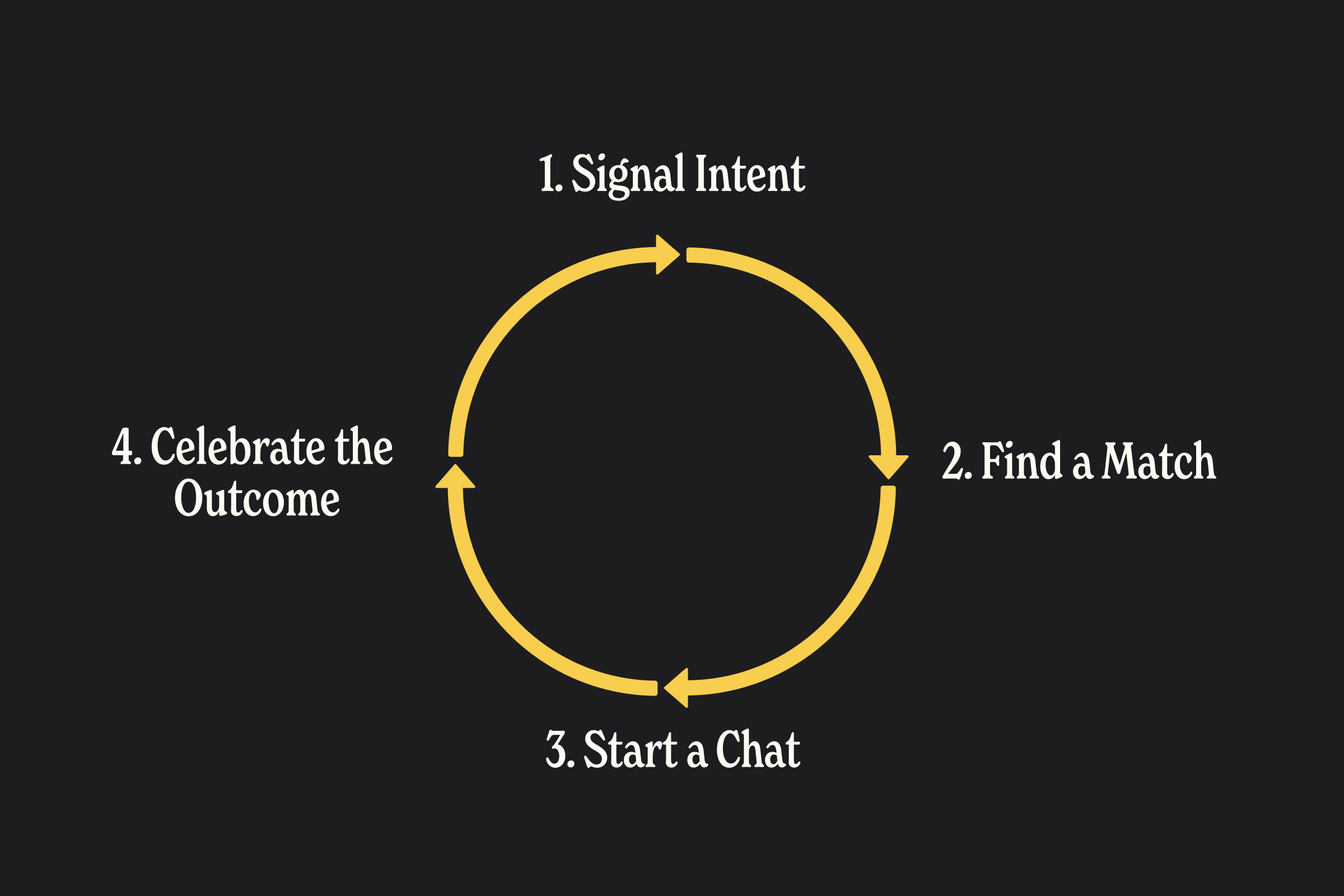
The design deliberately went past launch scope. Then we put it in front of real creators, asked what mattered most to them, and pulled the feature set back based on what we heard.
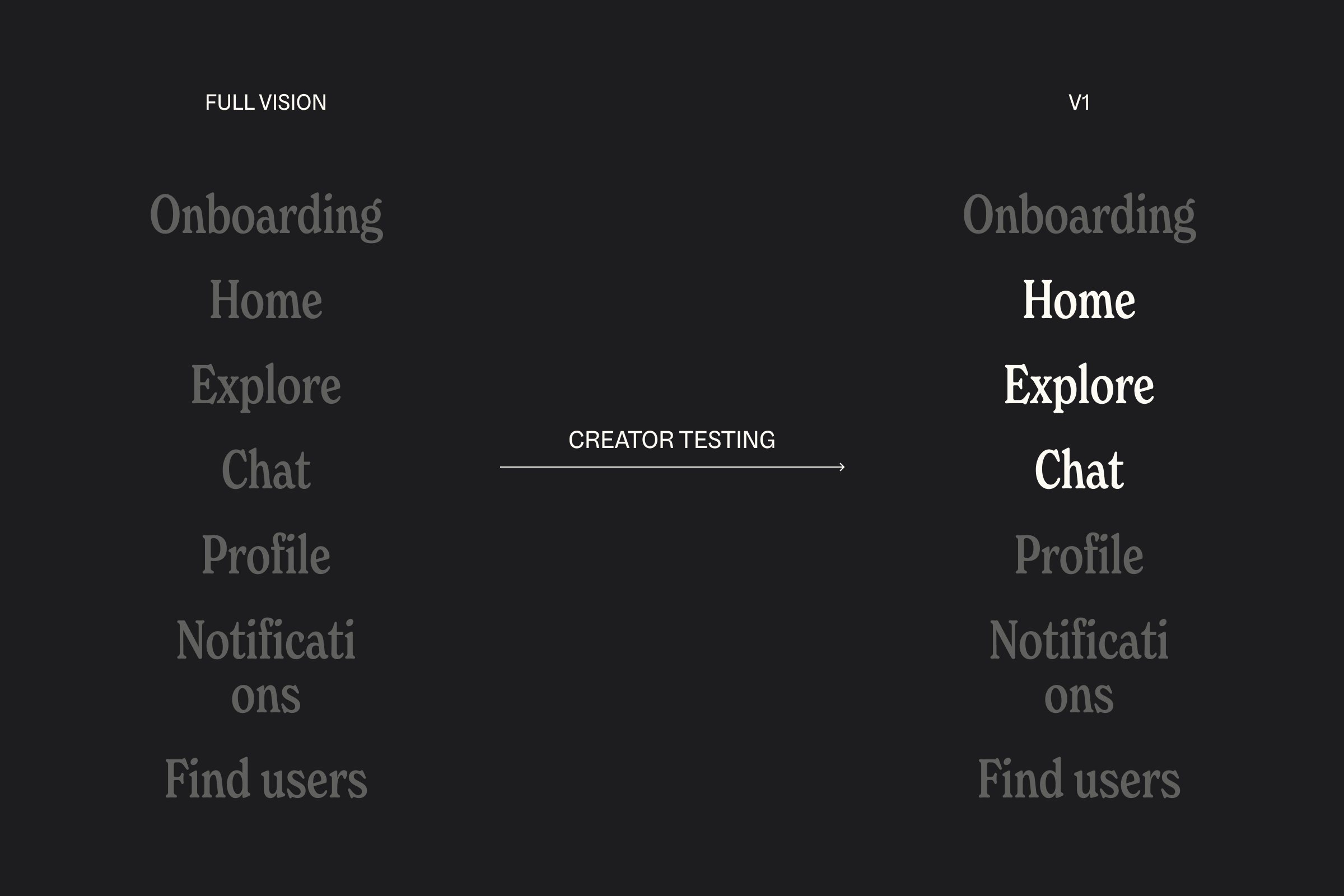
So the V1 that went to engineering was carved out of a fully explored product, and the people who would use it every day helped choose the cuts. Nobody had to guess at an MVP.
I can feel some of you doing the math on this. Designing four products to ship one sounds like a great way to burn a budget. Here's why it isn't:
If you remember the beehiiv access models from a few weeks ago, this is the same idea in a different outfit. Exploring a direction in design takes days. Discovering in month four of a build that you picked the wrong direction takes a quarter. Designing the whole thing is still the cheapest way to find out which part matters. It just looks expensive on a project plan.
And there's a sneaky second benefit. The cut features don't disappear. They become a designed roadmap. When Koala is ready for the brand layer, it's already been thought through in the context of everything else, rather than bolted on later by a team who wasn't in the room.
What got kept
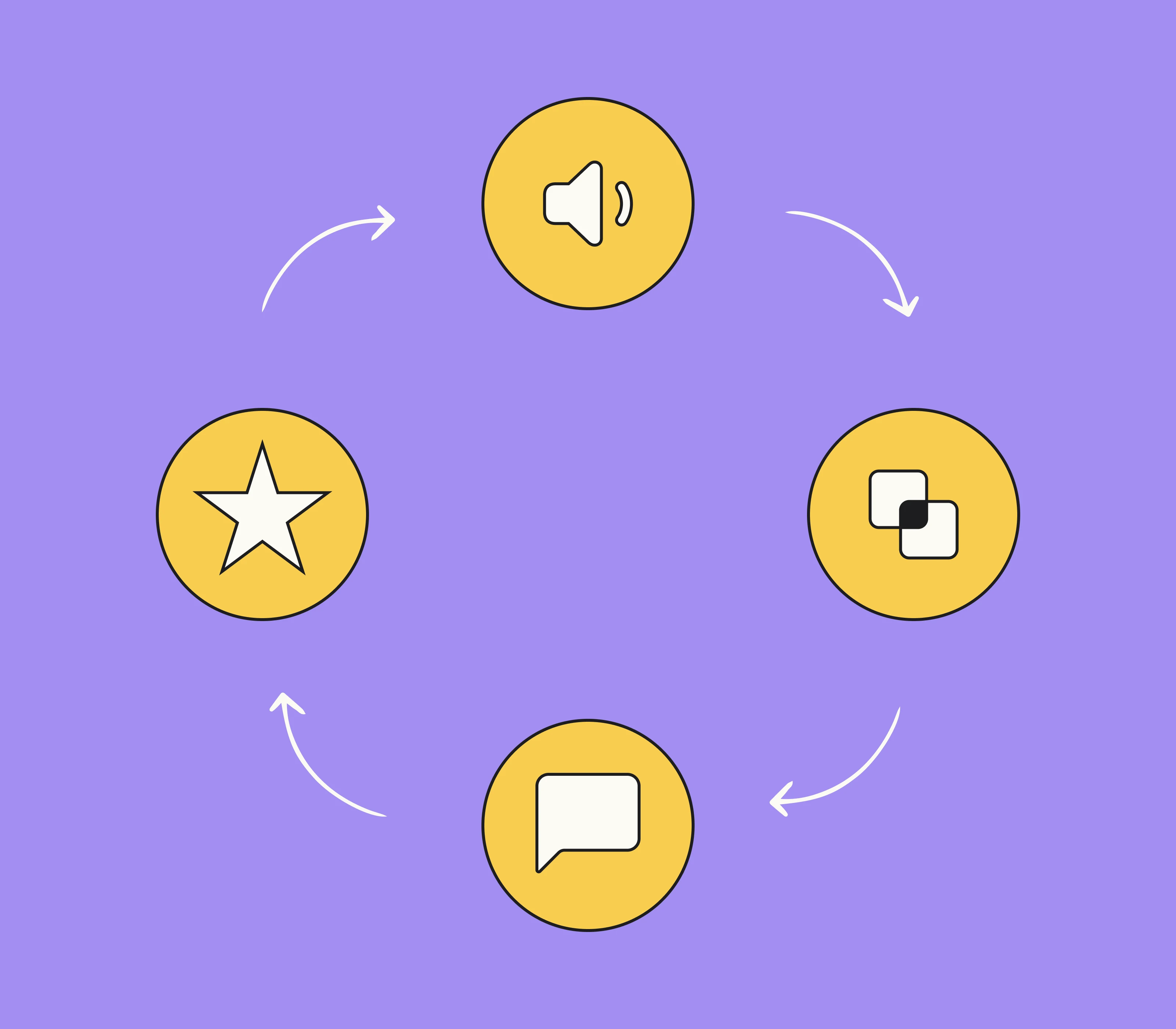
The core of V1 came down to three surfaces: Home, Explore, and Chat. Home is the daily reason to open the app: what your creator network is up to, with celebration over raw analytics. Explore is proactive discovery of people, skills and opportunities. Chat is creator to creator, and it stays human.
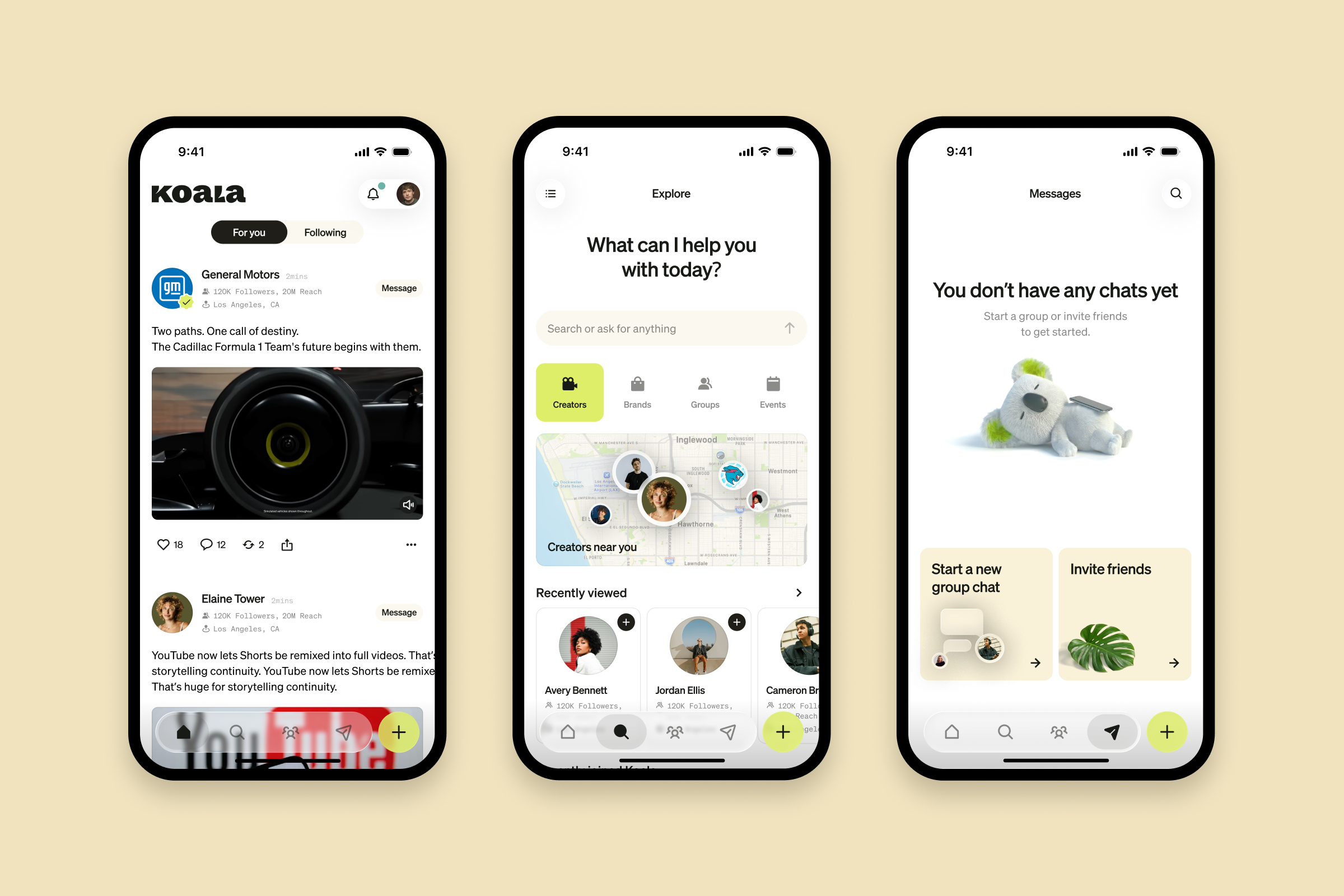
Running through all three is Joey, Koala's AI assistant (a baby koala, because a baby koala is called a joey; I will never get tired of that). One of the earliest decisions from kickoff was that Joey is integrated across every surface, not parked in a separate tab. Joey can surface intros and triage brand outreach, but Joey never sits between two creators once they're talking.
The guardrail that settled most of the arguments came up on day one too: if the brand presence feels dominant, creators churn. Koala's business model is that brands pay for access and Koala takes nothing from creator deals. So the brand layer is the money, and it was still the thing most likely to get cut back, because a creator network that feels like a marketplace stops being a place creators want to hang out.
That's a pretty great rule to have, because it turns "which features matter?" into a question with an answer. Does this make Koala feel more like a place creators hang out, or more like a place brands shop? If it's the second one, it waits.
Carve your own V1
If you're staring at a product that could be four things, here's a lightweight version you can run without a five month engagement:
1. List every direction the product could take, out loud. Write each as a one line pitch. If people on your team have been quietly picturing different products, this is where you find out.
2. Design (or prototype) them together, in one coherent product. Skip the four separate mockups. Build one product where all of it exists, so people react to how the parts fit together.
3. Put it in front of the people who'd use it every day, and ask them what they'd keep. Liking it is cheap, because everybody likes it. (More on this next week, because it's harder than it sounds.)
4. Write down your guardrail before you cut. One sentence that settles the tie breakers. Koala's was "creators first, or creators churn." Yours will be different, but you need one, or the cuts go back to Option C.
5. Keep the cuts. Label them, park them, and treat them as roadmap. You already paid for the thinking.
That's it for today. If you found this useful, forward it to whoever is currently in a meeting about what the MVP should be. They'll know it's for them.
Next Thursday, we get into the part of the Koala project I think about most: what happens when you put a prototype in creators' hands and they tell you it's perfect. (Spoiler: that's a problem.)
Inside the Koala build
A four-part series on how we designed Koala, the social network for creators, from beta data to brand.
- Your beta is lying to you (a little)
- Your MVP: four products in a trench coat (you're here)
- "Gimme, gimme" is not feedback
- Together doesn't always mean at the same time