How to Monetize a Large YouTube Audience Without Breaking the Social Contract
Many creators with massive YouTube audiences never launch a product. Not because they cannot. Not because they tried and failed. But because the path to monetization is not obvious on YouTube.
A certain sports entertainment creator with 13 million YouTube subscribers recently illustrated this perfectly on a strategy call with Rare Days. Despite the scale, they had never launched a single product. No courses. No memberships. No paid offerings.
Zero products on a sports and entertainment channel at that scale is more common than most people think. YouTube trains a certain kind of behavior in an audience, and that audience comes with its own rules.
When evaluating what to build first and why monetization had felt unclear, two insights surfaced that apply to many creators sitting on large audiences and wondering why turning attention into revenue feels harder than it should.
Your Best Product Idea Is Probably Inside a Content Series
This creator did not invent a product idea out of nowhere. It was discovered inside a content series that has been running for two years and consistently pulls between three and ten million views per video.
The series delivers a highly personal result for each viewer featured. Audiences return repeatedly because every episode feels custom and crafted to the individual appearing in the video. The product idea was simple: give the audience the ability to get that same result without the creator present, on their own terms and at any time.
The principle is straightforward. Your highest-performing repeatable content series is your most valuable product research.
Not your most viral one-off video. Your series.
A viral video shows what surprised people. A recurring series shows what they intentionally return for. That distinction matters because a product needs consistent demand to survive.
This logic holds across almost any niche. A cooking channel with a recurring “what’s in your fridge” format likely has a meal planning tool hiding inside it. A fitness creator doing weekly form checks is sitting on an assessment product. A finance creator who runs recurring portfolio breakdowns may have a decision framework worth packaging.
Instead of asking what new idea should be built, look backward at what is already working repeatedly and ask what result is hiding inside it.
Why YouTube Is the Hardest Platform to Sell From
Thirteen million subscribers with no product is unusual in scale but common in structure. The reason is not inability. It is expectation.
YouTube audiences are conditioned to receive value for free, indefinitely, with no expectation that they will ever pay. That makes the jump from zero dollars to one dollar genuinely harder than from one dollar to one thousand. The platform reinforces this expectation with every viewing experience.
Newsletter subscribers are accustomed to occasional offers. Podcast listeners often convert at higher rates because the relationship feels more intimate. YouTube viewers, particularly in entertainment and sports categories, experience the channel like free television. They do not expect to pay for a favorite show after years of watching it at no cost.
This is not an indictment of YouTube. It remains one of the strongest economic engines in the creator ecosystem. However, its economics are largely based on advertising rather than direct product sales. That reality changes how monetization must be approached.
The Two Monetization Paths That Actually Work
Understanding the constraint changes the strategy. There are two approaches that consistently work for YouTube-first creators.
Path One: Make the product feel like a content extension.
The product should not register as a hard pivot. It should feel like more of what the audience already loves. In the example above, the product does not require viewers to change their behavior. It simply allows them to access the same outcome the series delivers, but independently and on demand. For entertainment-heavy channels, this is often the cleanest path. The product extends the viewing experience rather than interrupting it.
Path Two: Build a clearly separate premium world.
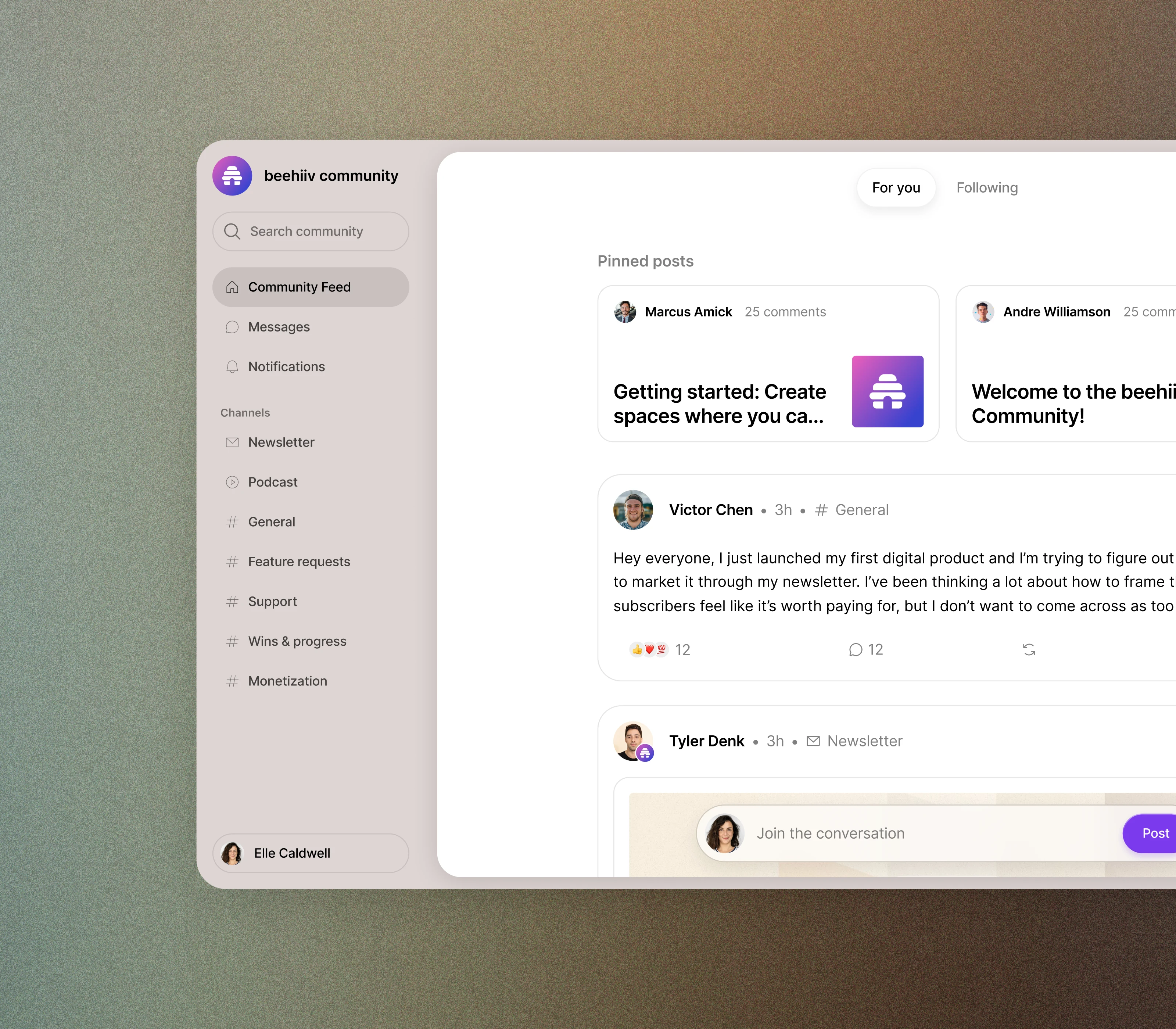
This approach requires more intentional design. It is not about selling directly through the channel. It is about inviting the most engaged segment of the audience into something distinct, such as a membership, community, or paid tier. The key is invitation rather than interruption.
This works when a creator has cultivated a core group of highly engaged followers who comment, share, reply, and consistently participate. The YouTube channel becomes the discovery engine, while monetization happens in a separate environment. Often, that transition runs through email first, where expectations around paid offerings are different.
What This Means for Creators
Before building a product, examine your three best-performing content series. Not your top individual videos, but your series. Why does your audience return week after week? What repeatable result are they seeking? Can that result exist outside of a video format?
Then consider the social contract of your primary platform. Does your product strategy work with that contract, or does it fight against it? If it fights it, even a strong product will struggle because the first barrier is not price or quality. It is expectation.
Large audiences do not automatically convert into revenue. Repeatable demand creates product opportunity. Platform expectations determine how that opportunity must be delivered.
On YouTube, monetization succeeds when it either extends the existing content experience naturally or builds a clearly separate premium layer. Attention is not the bottleneck. Alignment is.